From Physical Showrooms to Virtual Exclusives: The Shift in Luxury Consumption
In a world where luxury is no longer confined to traditional retail spaces, the landscape of high-end shopping has undergone a transformative evolution. With the advent of advanced technology and shifting consumer preferences, luxury brands are increasingly turning to online platforms to redefine their customer experiences. This article explores how luxury shopping has transitioned from physical touchpoints to immersive digital journeys, examining the benefits, challenges, and future trends shaping this new chapter in high-end retail.

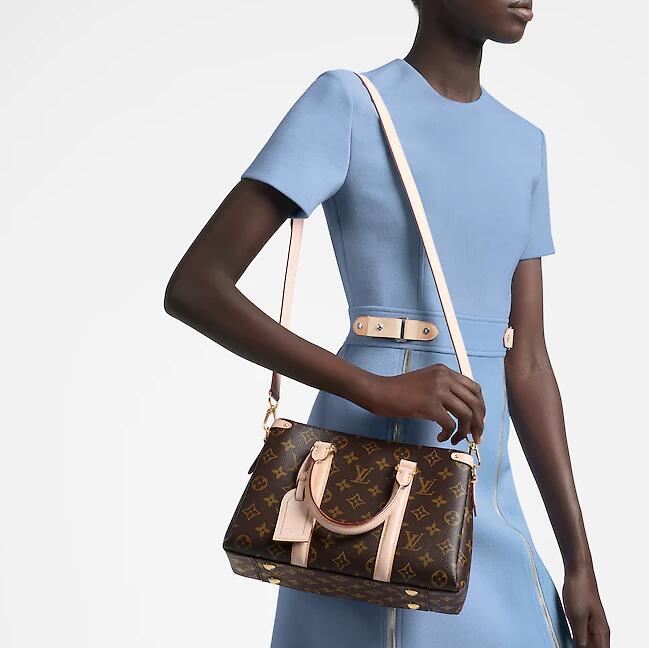
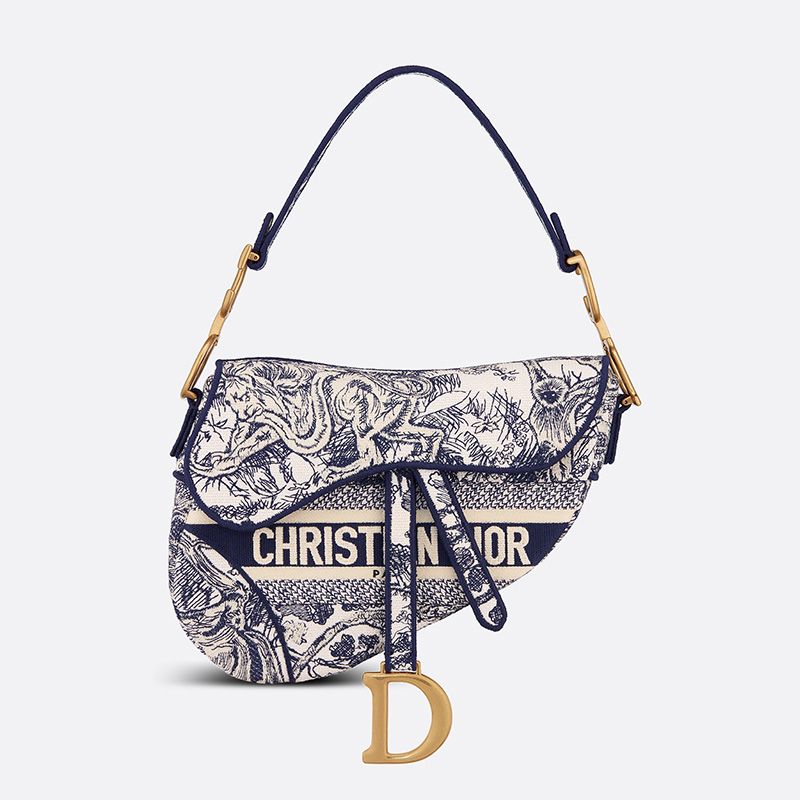
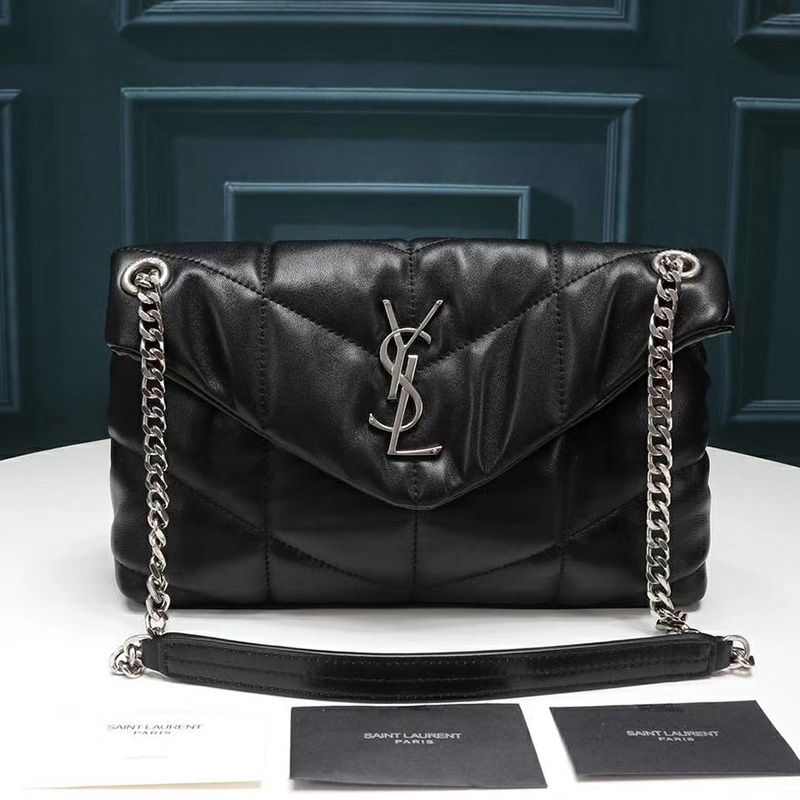

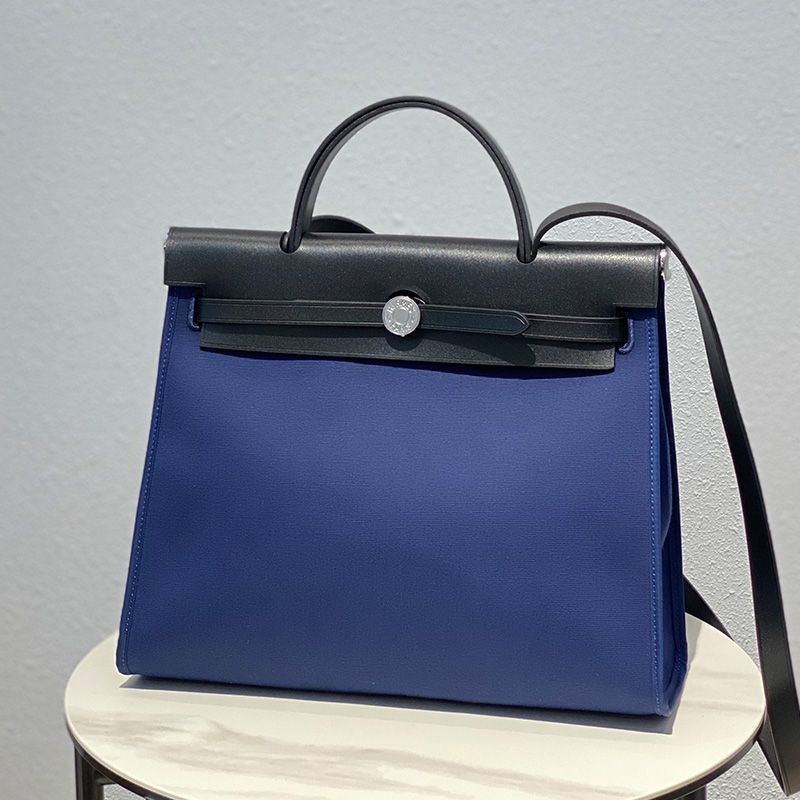
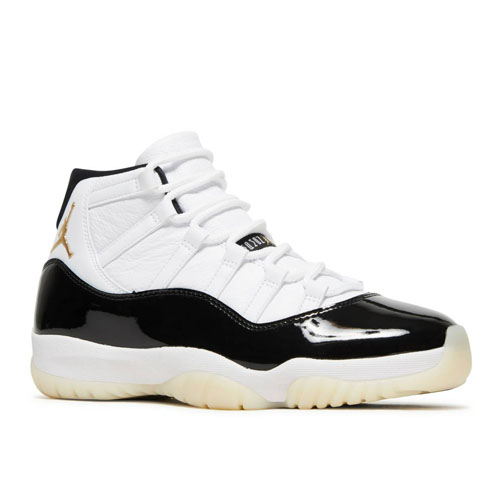
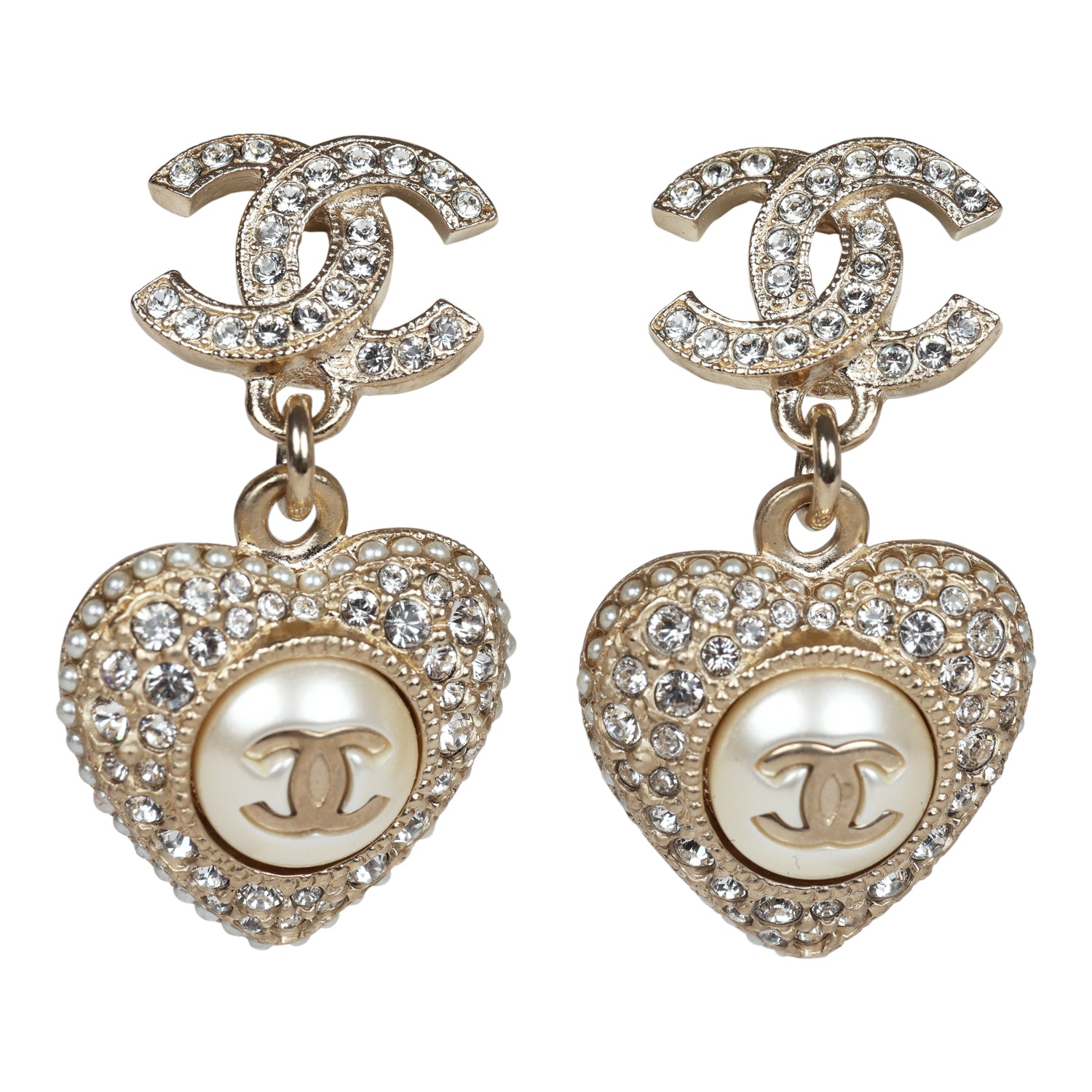

Historical Context: The Rise of Online Luxury Shopping
The journey of online luxury shopping begins with the mid-20th century, when early adopters began experimenting with catalog sales. These initial efforts laid the groundwork for modern e-commerce, introducing customers to exclusive products without the need for in-store visits. Today, luxury brands leverage cutting-edge technologies like virtual try-ons, personalized recommendations, and real-time styling solutions to enhance their online offerings.
Virtual try-on technology, powered by AI and 3D modeling, has revolutionized how consumers experience luxury fashion. By allowing users to visualize a product on their own body or alter the size and color digitally, this innovation bridges the gap between online shopping and in-store试穿体验. Such features not only enhance convenience but also foster a deeper connection with the brand’s signature aesthetic.
Modern Luxury Online Shopping: Features and Benefits
Luxury e-commerce platforms are characterized by their seamless integration of cutting-edge technology and unparalleled product selection. From personalized styling tools to exclusive virtual samples, these platforms cater to the discriminating tastes of today’s global consumers. Here, we delve into some of the key features that define contemporary luxury online shopping:
1. Personalized Experiences
Luxury brands understand that their customers are often looking for something unique and tailored to their personal style. Online platforms now offer personalized styling tools, allowing users to envision how a product might fit into their own wardrobe. For instance, luxury fashion brands like Givenchy and Hermès have introduced virtual try-ons that enable customers to experiment with different looks in real time.
2. Sustainability Integration
A growing number of luxury brands are prioritizing sustainability within their online shopping experiences. From eco-friendly packaging to carbon-neutral shipping options, consumers today expect brands to go the extra mile to protect the environment. This trend is particularly evident in luxury goods like watches and jewelry, where ethical sourcing has become a key differentiator.
3. Real-Time Shopping
Modern online shopping platforms often facilitate real-time experiences, allowing customers to interact with products as if they were present in an in-store environment. For example, high-end watches from brands like Rolex offer detailed virtual previews of movement complexity and craftsmanship. This level of engagement mirrors the luxury brand experience while eliminating the need for a physical visit.
The Future of Luxury Online Shopping
The luxury e-commerce landscape is poised for further transformation as technology continues to advance. Innovations such as augmented reality (AR), chatbots, and artificial intelligence are expected to redefine customer interactions with premium brands. For instance, AR features could allow consumers to walk through a virtual storehouse of products, selecting items that align perfectly with their personal style.
Moreover, the integration of blockchain technology is likely to revolutionize supply chain transparency for luxury goods. This would not only enhance trust but also empower consumers with granular information about product provenance and authenticity. As ethical consumerism grows in prominence, these technologies will become increasingly essential components of luxury shopping experiences.
Key Considerations for Luxury Brands
Luxury brands adopting online shopping strategies must carefully balance innovation with accessibility. While it is important to offer unique experiences that set their brand apart, these platforms should also remain inclusive enough to attract a broad audience. Striking this balance will require meticulous attention to detail, from product selection and user experience design to ethical practices and transparency.
With online shopping now a core component of luxury retail strategy, brands must continuously evolve to keep pace with consumer expectations. By embracing cutting-edge technologies and maintaining their commitment to excellence, luxury brands can ensure that their e-commerce platforms remain at the forefront of the market.
Conclusion
The shift from traditional in-store shopping to immersive online experiences marks a significant milestone in the evolution of luxury retail. As technology continues to redefine what it means to shop luxury, brands must remain adaptable and forward-thinking. By leveraging innovative tools and prioritizing authenticity, luxury companies can continue to captivate their global clientele and set new standards for excellence in e-commerce.